
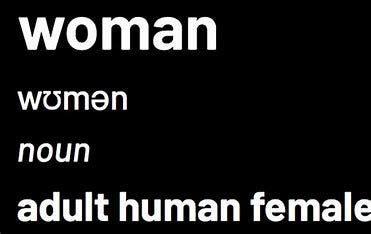
The vexed issue of the meaning of sex in law continues to dominate the gender debate, with a useless waste of energy and of political space. For reasons unknown, GC organisations painted themselves in the definition corner, insisting that the word sex, or the word woman, need clarification in law, or better in the Equality Act.
The law does not define words that are clear and common. As an example I brought up before, the Dangerous Dogs (1991) Act does not define dog. In fact we would think it ridiculous if the law did that and any legal system would grind to a complete halt if it included a definition of all the words used in the statute. In this imaginary legal Macondo where people label all the objects lest they forget their names, and then they forget what those letters mean, law would lose its value not only as a normative system, but also as a repository of shared understandings and cultural knowledge. The fact that for millennia the law coded the word woman as a negative word, describing an individual without those rights that were considered to attach to men, or at least to free men, does not mean that the difference between men and women is similarly coded and that the only way to obtain full equality is to deny women the right to their different nature.
Keep reading with a 7-day free trial
Subscribe to Gender Dissident to keep reading this post and get 7 days of free access to the full post archives.